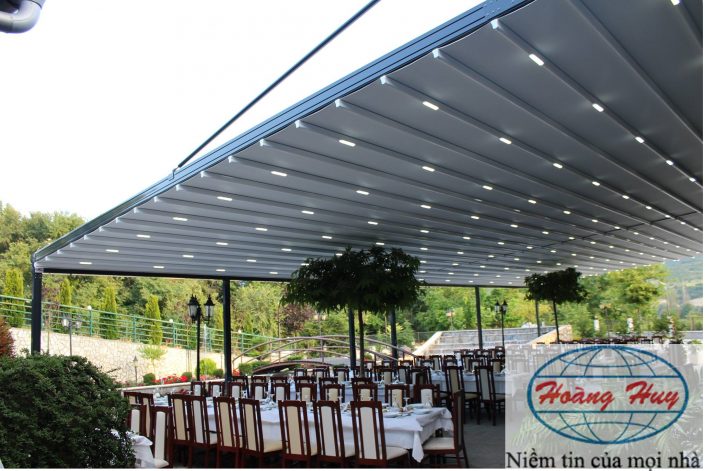
Mái xếp khung nhôm xu hướng cho không gian ngoài trời.
Bạn muốn làm mái xếp cho quán cafe, trước cửa, hoặc nhà ăn, nhà hàng….Hoàng Huy xin giới thiệu giải pháp mái xếp khung nhôm một trong những xu hướng xây dựng hot nhất hiện nay, mái xếp khung nhôm này được ứng dụng rộng rãi khắp các công trình, bởi những ưu điểm vượt trội mà dòng mái xếp khung nhôm này mang lại cho khách hàng.
1. Mái xếp khung nhôm là gì?
- Mái xếp khung nhôm là sản phẩm được khách hàng đánh giá cao về công năng, chất lượng, thiết kế và giá trị nó mang đến. Vậy tại sao loại mái xếp hiện đại này lại được ưa chuộng đến vậy?
- Là một loại mái xếp hiện đại dùng để che nắng, mưa, bảo vệ công trình trước các điều kiện thời tiết khắc nghiệt, không những thế mái xếp còn có tác dụng trang hoàng giúp không gian của bạn đẹp và lộng lẫy, sang trọng hơn. Đây là một sản phẩm thông minh, kết hợp công nghệ tiên tiến điều khiển thu vào, căng ra bằng ứng dụng trên điện thoại.
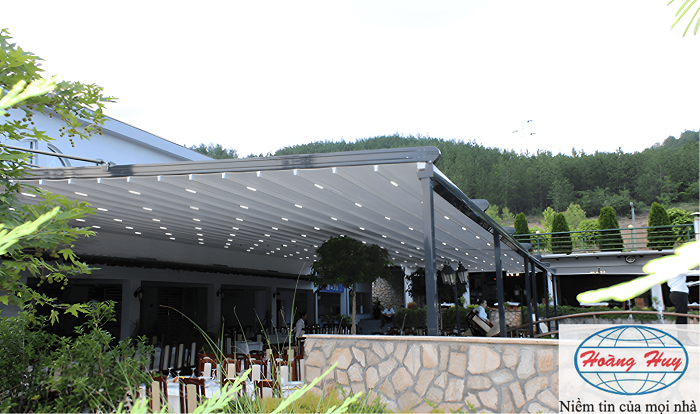
Mái xếp khung nhôm là sản phẩm được khách hàng đánh giá cao về công năng
1.2. Cấu tạo của mái xếp khung nhôm
- Mái xếp khung nhôm được cấu tạo từ 4 bộ phận chính: bạt mái xếp, khung nhôm, hệ thống đèn LED, motor.
Bộ phận bạt xếp:
– Bạt mái xếp được làm từ bạt vân 3D nổi có độ dày 0,7mm, định lượng 850gsm/m2, gồm 7 lớp được đan bởi lưới 1000D*1000D 23*23 theo tiêu chuẩn của Đức. – Lớp trong cùng là lớp lưới, tiếp đến là hai lớp cách nhiệt được phủ các thành phần cản nắng, chống tia UV, tia cực tím, các tia gây hại cho da, chống nóng, không hấp thụ nhiệt, -30 đến 70 độ. – Hai lớp tiếp theo được làm PVC nguyên sinh không độc hại, an toàn với sức khỏe con người, bảo vệ môi trường. Hai lớp ngoài cùng là màng PVDF giúp bảo các lớp phía bên trong đồng thời có tác dụng chống thấm nấm mốc, chống bám bẩn, chống cháy, chống oxy hoá bề mặt giúp sản phẩm bền đẹp hơn. – Chính vì vậy bạt xếp khắc phục hoàn toàn nhược điểm bai màu, phai màu sau 1-2 năm sử dụng
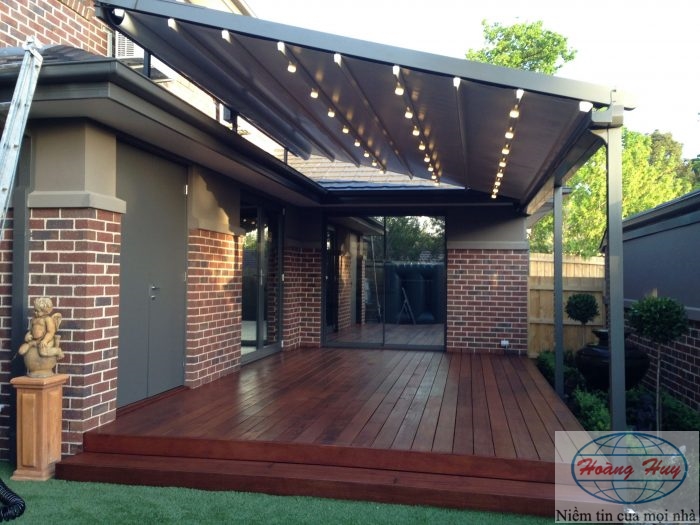
Do bạt là bộ phận sẽ chịu ảnh hưởng trực tiếp của yếu tố thời tiết, chính vì vậy chất liệu bạt sẽ là thành phần quyết định lớn đến khả năng chống chịu, che chắn, bảo vệ cho người sử dụng.
Hệ thống đèn LED:
– Cùng với đó là hệ thống đèn LED nhập khẩu trực tiếp từ hãng UNIKOM Thổ Nhĩ Kỳ, được sản xuất bằng chất liệu nhựa sợi thuỷ tinh chuyên dùng làm đèn LED cho mái xếp, đem đến thời gian sử dụng trên 70.000 giờ thắp. Sản phẩm được các nhà sản xuất Châu Âu ưu ái, tin tưởng lựa chọn với chế độ bảo hành lên đến 5 năm.
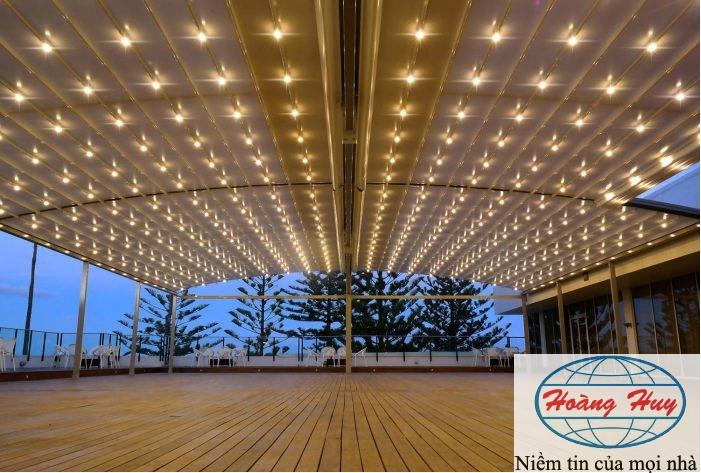
Cùng với đó là hệ thống đèn LED nhập khẩu
Hệ thống Khung nhôm:
– Khác với các sản phẩm mái xếp di động khác trên thị trường, thay vì sử dụng bộ khung từ sắt, inox, mái xếp được lắp đặt bằng khung nhôm định hình 6063-T5, chất liệu cứng nhất hiện nay, bề mặt được Anod hóa hoặc sơn tĩnh điện trên dây chuyền hiện đại theo tiêu chuẩn Mỹ, chống hoen ố, được bảo hành lên đến 10 năm trong mọi thời tiết khắc nghiệt.
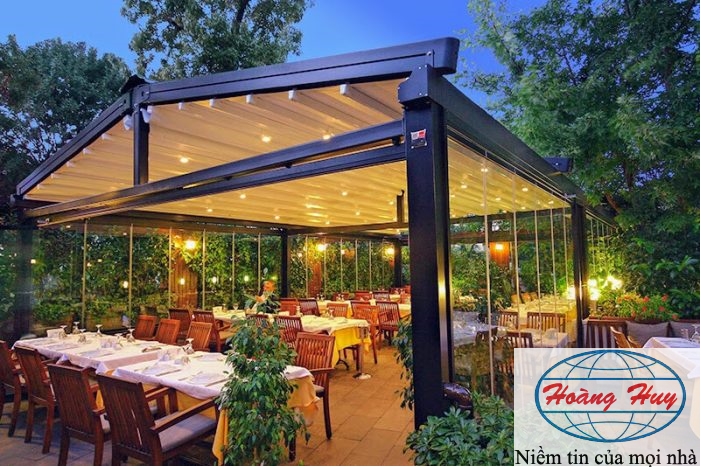
Mái xếp khung nhôm
Motor:
– Mái xếp sử dụng Motor (động cơ) Somfy của Pháp, điều khiển từ xa bằng sóng radio thông qua app điện thoại thông minh. – Bên cạnh đó mái xếp còn có hệ thống vòng bi tời kết hợp răng bọc thép không gỉ bền bỉ giúp mái vận hành trơn tru, êm ái.
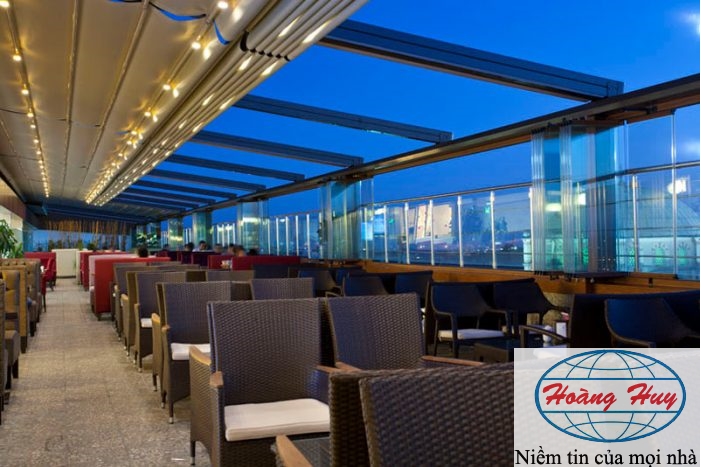
Motor của mái xếp khung nhôm
2. Mái xếp khung nhôm đem lại lợi ích tuyệt vời
– Che mưa, che nắng Giống như các loại mái xếp khác, mái xếp khung nhôm cũng có tác dụng che chắn nắng mưa tạo không gian sinh hoạt, vui chơi, kinh doanh ngoài trời thoải mái, thư giãn không sợ ảnh hưởng của thời tiết.
– Chống nóng tuyệt vời Vải bạt xếp với cấu tạo 7 lớp với lớp cách nhiệt có khả năng hấp thụ nhiệt tốt, chống nóng hiệu quả, giúp không gian mát mẻ, dễ chịu hơn, đặc biệt trong tiết trời mùa hè.
– Ngăn chặn tia UV, tia cực tím bảo vệ sức khỏe con người Không chỉ có lợi ích che chắn nắng mưa, chống nắng, mái xếp khung nhôm còn có tác dụng ngăn chặn các tia UV, tia cực tím gây hại đến làn da và sức khỏe con người.
– Tăng tính vẻ đẹp cho không gian sử dụng Thiết kế sang trọng theo phong cách Châu Âu, cùng hệ thống đèn LED giúp không gian ngoài trời không còn đơn điệu, tẻ nhạt, trở nên lung linh, bắt mắt hơn, đặc biệt phù hợp với các trung tâm thương mại, quán cafe…
– Màn căng tự động, tiết kiệm thời gian và công sức Kết hợp với công nghệ tiên tiến, người dùng hoàn toàn có thể điều khiển mái xếp khung nhôm thu vào và căng ra bằng điều khiển qua ứng dụng trên điện thoại, giúp bạn tùy chỉnh mái xếp phù hợp trong từng mục đích, điều kiện thời tiết. Bên cạnh đó động cơ hoạt động trơn tru không gây ra tiếng ồn.
– Khả năng ứng dụng cao, phù hợp với mọi không gian ngoài trời Hiện nay mái xếp này được ứng dụng lắp đặt cho hầu hết các nhu cầu như: nhà ở, hiên nhà, sân vườn, khu vui chơi, bãi đậu xe, cửa hàng kinh doanh, quán cafe, nhà hàng… Với những lợi ích tuyệt vời mà mái xếp này mang lại, không chỉ về tính năng mà còn về thẩm mỹ, mái xếp này chắc chắn sẽ là sự lựa chọn hoàn hảo cho mọi không gian ngoài trời.
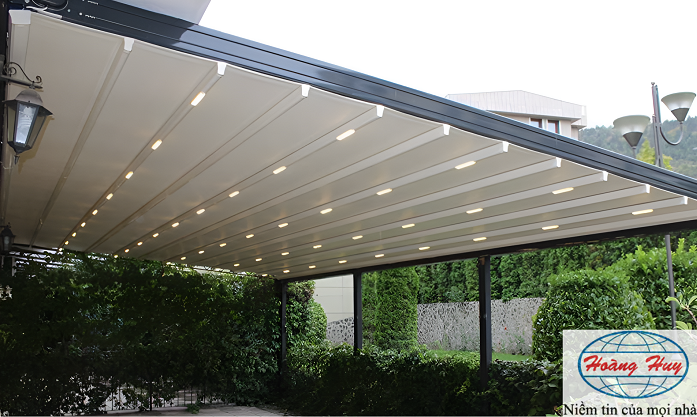
Cùng với đó là hệ thống đèn LED nhập khẩu trực tiếp từ hãng UNIKOM Thổ Nhĩ Kỳ
3. Tại sao nên lắp đặt mái xếp khung nhôm?
Loại mái xếp này đang dần thay thế các loại mái xếp truyền thống để chiếm lĩnh thị trường bởi cải tiến, lợi ích vượt bậc mà chúng mang lại. Vậy đó là những cái tiến gì giúp mái xếp này được ưa thích đến vậy?
– Cấu tạo khác biệt so với mái xếp truyền thống
Các loại mái xếp truyền thống thường có phần bạt mái xếp song song với nhau tạo thành hình gợn sóng, chất liệu kém dày dặn. Trong khi đó, bạt mái xếp được làm từ vải bạt cao cấp vân 3D nổi 7 lớp, được trải thẳng, căng ra giống với các loại mái che được đổ bê tông tạo cảm giác chắc chắn. Với dòng mái xếp này bạn hoàn toàn có thể ứng dụng cho các không gian sang trọng, tinh tế, tạo dấu ấn cho toàn bộ không gian.
– Sản phẩm được dùng để trang trí
Ngoài phần bạt xếp ra trên khung nhôm còn được thiết kế hệ thống đèn LED chiếu sáng được sắp đặt theo phong cách Châu Âu giúp toàn bộ không gian trở nên lung linh, bắt mắt hơn. Chính vì vậy đây chính sản phẩm trang trí hoàn hảo cho không gian mà bạn nên lựa chọn.
– Hệ thống khung nhôm chắc chắn, không gỉ
Với các sản phẩm mái xếp hiện có trên thị trường thì bạn hoàn toàn không đi lại hay đứng trên mái xếp đó. Tuy nhiên với cải tiến thay thế khung sắt, khung inox thành khung nhôm chịu lực sẽ đem đến sự khác biệt lớn. Nhờ thiết kế cấu trúc thông minh, bạn hoàn toàn có thể di chuyển, đứng trên bạt mái xếp, không sợ bị gãy, hư hỏng. Sản phẩm đã được kiểm nghiệm và đạt tiêu chuẩn của Hoa Kỳ.
– Dễ dàng lắp đặt
Với sản phẩm mái xếp khung nhôm hay mái xếp di động, chúng hoàn toàn được sản xuất công nghiệp từng bộ phận. Vì vậy, bạn chỉ cần cố định các trụ đứng của khung xuống mặt nền hay bờ tường và dùng cá chỉ tiết linh kiện kèm theo để lắp đặt một cách đơn giản, nhanh chóng, tiết kiệm thời gian, công sức thi công.
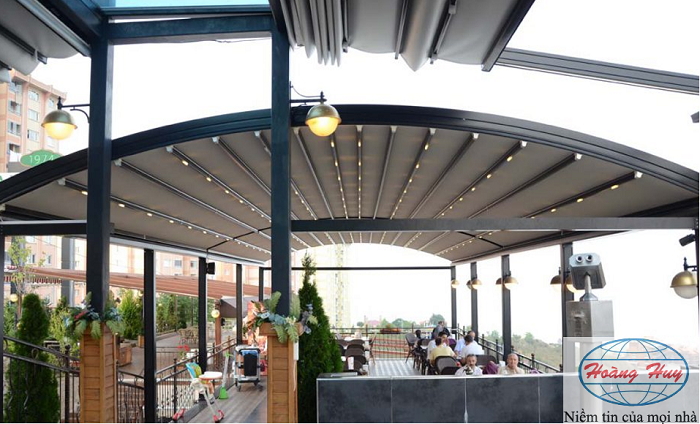
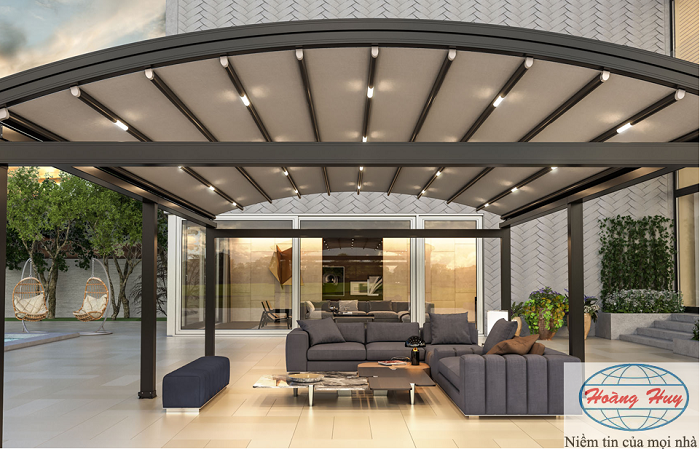
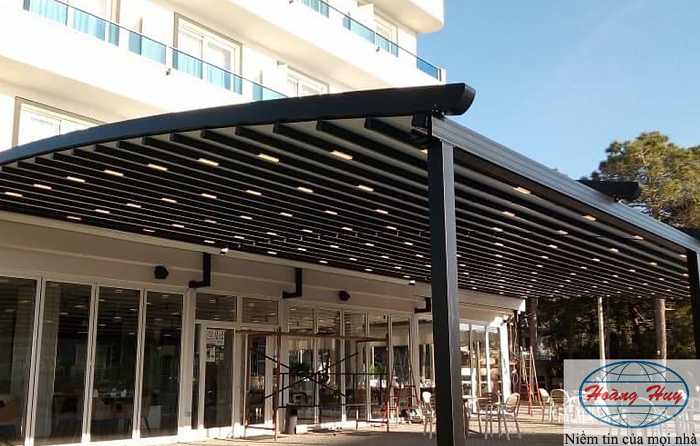
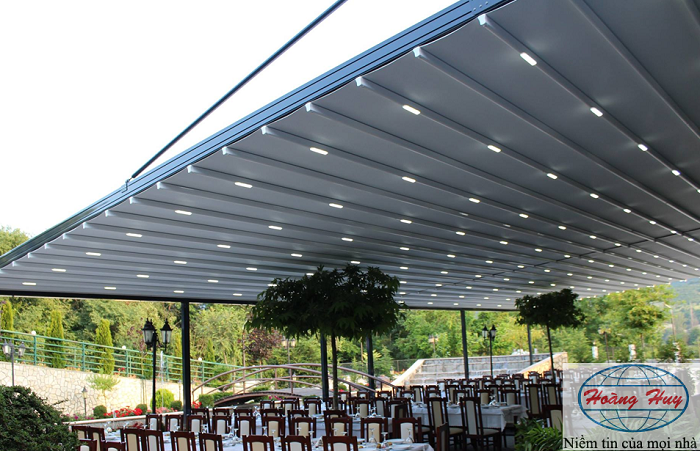
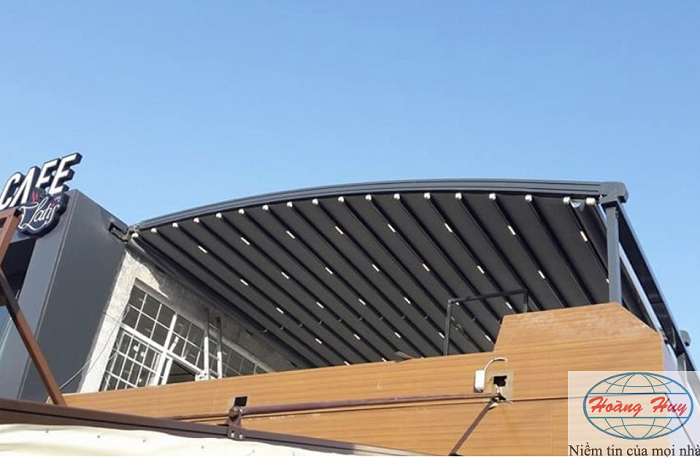
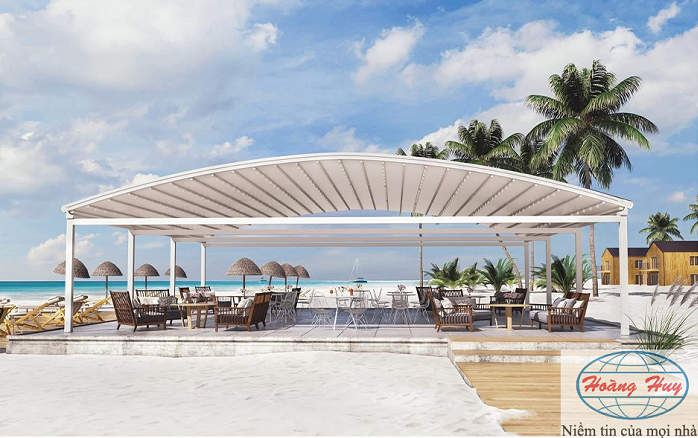
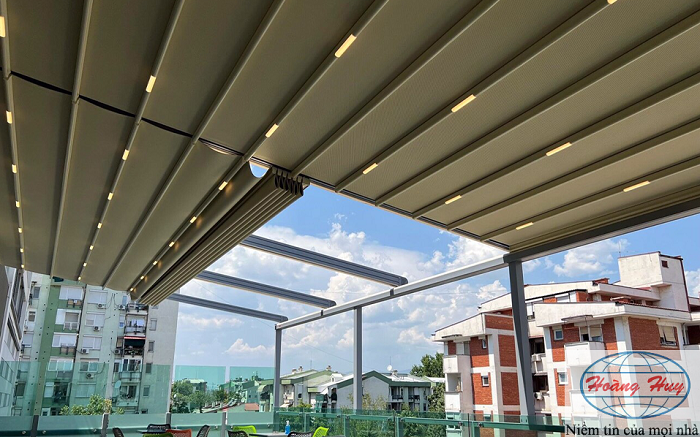
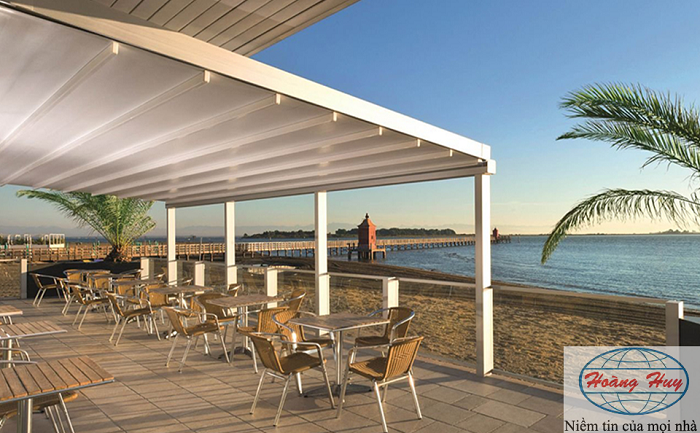
Mẫu mái xếp khung nhôm đẹp hiện nay
The History of Accessible Wagering Entry Points Through Betlama Analysis
The evolution of wagering accessibility has undergone remarkable transformation over the past several decades, fundamentally reshaping how individuals engage with betting platforms and services. Understanding this progression requires examining the technological, regulatory, and social factors that have influenced entry points into the wagering ecosystem. Betlama’s emergence as a platform reflects broader industry trends toward democratization and user-friendly interfaces that have made betting more accessible to diverse populations worldwide. This historical analysis explores how entry barriers have been systematically reduced while simultaneously addressing concerns about responsible gambling and regulatory compliance.
The Pre-Digital Era and Physical Barriers to Entry
Before the internet revolutionized the wagering landscape, access to betting opportunities was severely constrained by geographical and physical limitations. Traditional bookmaking operations required bettors to visit physical locations, whether licensed betting shops, racetracks, or underground establishments. This model created significant barriers for potential participants who lacked proximity to these venues or faced mobility challenges. The regulatory framework of the mid-twentieth century further complicated access, with many jurisdictions maintaining strict controls over who could operate betting services and where they could be located.
The 1960s through 1980s witnessed gradual liberalization in certain markets, particularly the United Kingdom, where licensed betting shops became more prevalent following the Betting and Gaming Act of 1960. However, these establishments still required physical presence and often maintained intimidating atmospheres that discouraged casual or novice bettors. The social stigma associated with gambling during this period also functioned as an informal barrier, particularly for women and certain demographic groups who felt unwelcome in predominantly male-dominated betting environments. This era established the foundation for understanding why digital transformation would prove so revolutionary for accessibility.
The Digital Revolution and Platform Evolution
The advent of internet technology in the 1990s initiated a paradigm shift in wagering accessibility that continues to influence platform design today. Early online betting sites, emerging around 1996-1997, represented the first significant departure from physical entry requirements. These pioneering platforms, though primitive by contemporary standards, eliminated geographical constraints and offered unprecedented convenience. Users could now access wagering opportunities from home computers, fundamentally altering the relationship between bettors and bookmakers.
Betlama’s approach to platform accessibility reflects lessons learned from two decades of digital evolution. The company’s interface design prioritizes intuitive navigation and reduced complexity, addressing common frustrations that plagued earlier online betting sites. Historical analysis reveals that successful platforms consistently focused on lowering cognitive barriers alongside physical ones. Registration processes became streamlined, payment methods diversified, and information architecture improved to help users understand odds and betting options more clearly. For those seeking comprehensive information about modern platform features and accessibility standards, you can see guide materials that document these evolutionary improvements.
The mobile revolution, beginning with smartphone proliferation around 2007, represented another watershed moment for accessibility. Mobile applications transformed wagering from a desktop-bound activity into something available anywhere with cellular connectivity. Betlama and similar platforms invested heavily in responsive design and native applications, recognizing that mobile access would become the primary entry point for most users. Statistical data from industry reports indicates that by 2015, mobile betting accounted for over 50% of online wagering activity in mature markets, a proportion that has continued growing steadily.
Regulatory Frameworks and Responsible Accessibility
As digital platforms lowered entry barriers, regulatory bodies worldwide grappled with balancing accessibility against consumer protection concerns. The challenge of creating frameworks that permitted legitimate access while preventing problem gambling and protecting vulnerable populations became central to policy discussions. Different jurisdictions adopted varying approaches, from the relatively liberal licensing systems in Malta and Gibraltar to more restrictive models in jurisdictions like Australia and certain U.S. states.
Betlama’s operational model demonstrates how contemporary platforms navigate this complex regulatory landscape. Modern accessible entry points incorporate mandatory verification procedures, self-exclusion mechanisms, and deposit limits that previous generations of betting services lacked. The UK Gambling Commission’s licensing requirements, established and refined between 2007 and present, exemplify how regulation evolved to address digital accessibility challenges. These frameworks mandate specific responsible gambling features, including reality checks, time-out periods, and prominent display of support resources for problem gamblers.
The implementation of Know Your Customer (KYC) protocols represented a significant development in balancing accessibility with regulatory compliance. While these verification requirements add friction to the registration process, they serve essential functions in preventing underage gambling, money laundering, and fraud. Historical analysis shows that platforms successfully integrating KYC procedures without excessively compromising user experience gained competitive advantages and regulatory favor. Betlama’s verification systems reflect industry best practices developed through iterative improvements over fifteen years of digital betting operations.
Technological Innovation and Future Accessibility Trends
Recent technological developments continue reshaping accessible entry points in ways that would have seemed fantastical to early digital betting pioneers. Biometric authentication, artificial intelligence-driven personalization, and cryptocurrency payment options represent the current frontier of accessibility innovation. These technologies simultaneously reduce friction for legitimate users while enhancing security and regulatory compliance capabilities.
Voice-activated betting through smart speakers and virtual assistants represents an emerging accessibility dimension particularly significant for users with visual impairments or motor difficulties. Betlama and forward-thinking competitors have begun exploring these interfaces, recognizing that true accessibility extends beyond simply creating digital versions of traditional betting. The integration of augmented reality features for live event betting and virtual reality betting environments suggests future entry points may bear little resemblance to current models.
Blockchain technology and decentralized platforms present both opportunities and challenges for accessible wagering. While cryptocurrency-based systems can reduce payment friction and enhance privacy, they also introduce complexity that may create new barriers for less technologically sophisticated users. The historical pattern suggests successful platforms will be those that offer multiple entry points and interface options, accommodating users across the spectrum of technological comfort and capability.
The history of accessible wagering entry points reveals a consistent trend toward reduced barriers and increased convenience, tempered by evolving regulatory requirements and responsible gambling considerations. Betlama’s position within this historical trajectory demonstrates how contemporary platforms build upon decades of innovation while addressing lessons learned from past accessibility challenges. As technology continues advancing, the definition of accessibility itself expands, encompassing not merely the ability to place wagers but ensuring that diverse populations can engage safely, responsibly, and with full understanding of the activities they’re undertaking. This ongoing evolution suggests that accessibility will remain a central competitive and regulatory focus for the foreseeable future.